Synthetic casting porosity images
Synthetic casting porosity images are images of your own cast part with porosity open to the surface, a surface defect a camera can see, each defect labelled with a box, for training a quality inspection model. Porosity is one of the defects a casting line most needs to catch, and one of the hardest to collect examples of. You send one photograph of a good cast part. The Visynex Synthesis Engine makes images of that part with porosity open to the surface, and labels each defect with a box, in YOLO and COCO format. No photographs of real defects are needed to make it.
What Visynex isVisynex makes synthetic defect images for training machine vision inspection models. Each image is made from one photograph of a good part, and every defect image ships only if a separate detection pass finds the defect ordered.
Porosity among the casting defects
The defects typically associated with castings: porosity open to the surface, cold shuts, misruns, inclusions, flash at the parting line. They’re the starting point for the classes we propose for your part, not a fixed menu.
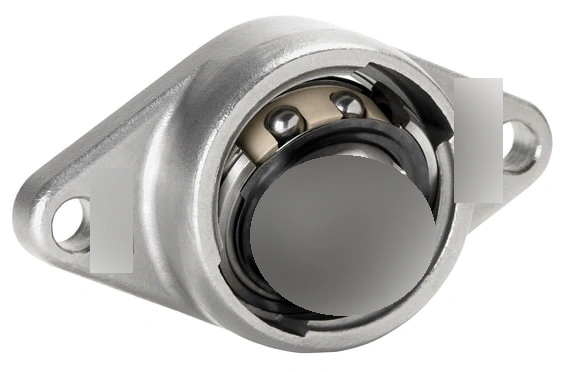
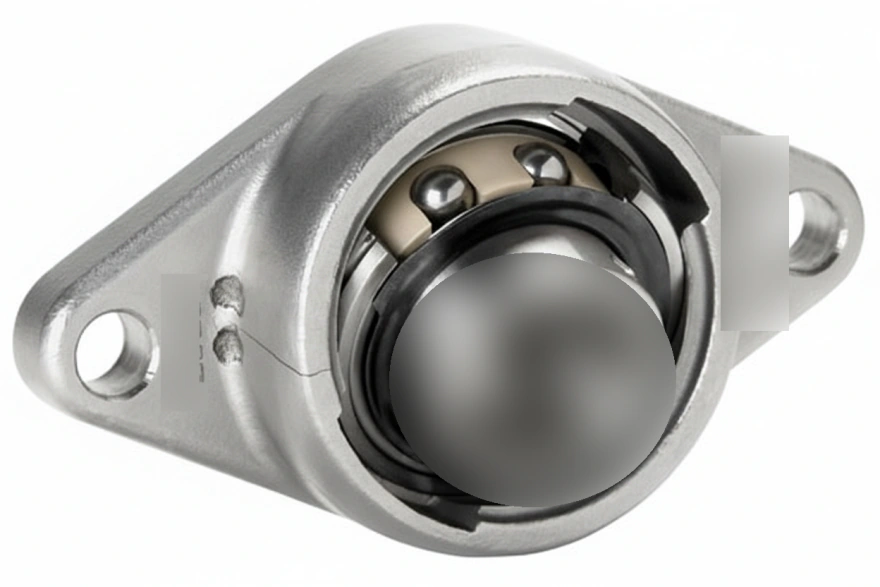
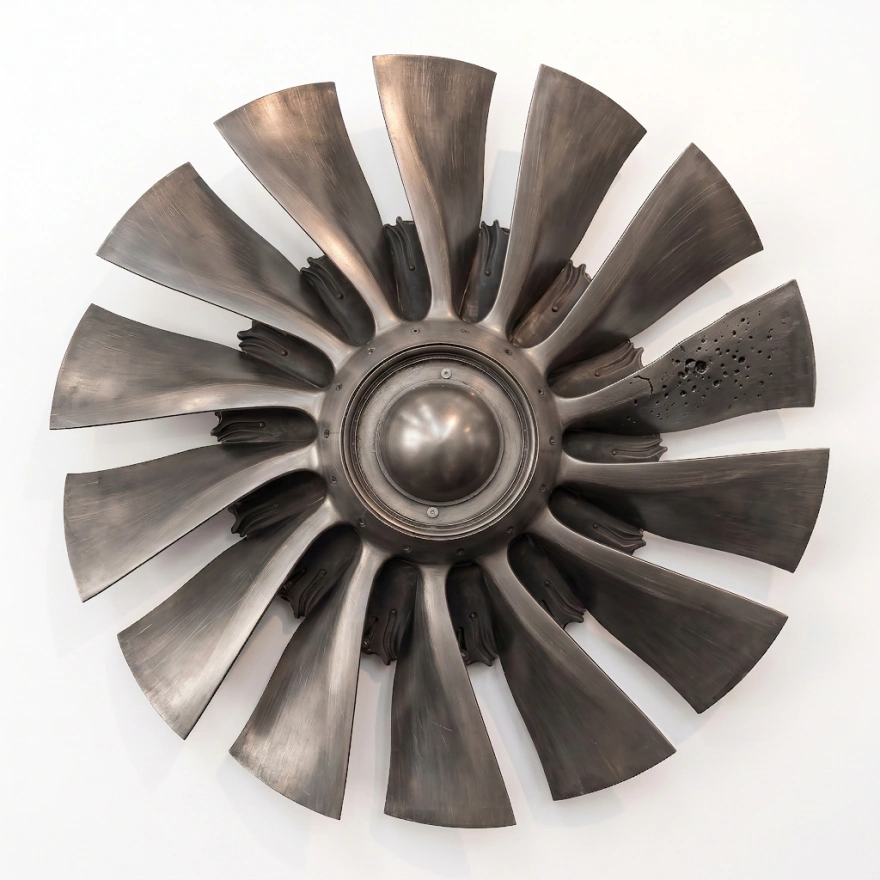
Two parts we have run
For the cast and machined bearing housing, the classes our pipeline derived included Casting Porosity, Casting Porosity/Voids and Casting Inclusions.
What a photograph can’t show
Porosity inside the casting, below the surface, is an internal flaw: a camera does not see it, and neither does a synthetic image of what the camera sees. These images are for porosity open to the surface. If your porosity rejects come from X-ray or CT, this isn’t the right tool for those classes, and we’ll tell you.
What you receive, and how each label is made
images/,labels/(YOLO, plus classes.txt),coco_annotations.json, and aREADME.mdthat says whether the set is complete.- Each image with a defect is looked at again after it is made. A detection pass runs on the finished image, side by side with your reference photograph. The box you receive comes from that pass.
- If the defect you ordered is not found in the image, the image is withheld.
- What the label tells you is exactly this: the defect you ordered was detected in that image, and the box is where it was found.
Price
€0.99 per image ordered, flat. Prices are in euros.
Questions
Can synthetic images show porosity inside a casting?
No. Porosity inside the casting, below the surface, is an internal flaw: a camera does not see it, and neither does a synthetic image of what the camera sees. These images are for porosity open to the surface. If your porosity rejects come from X-ray or CT, this isn’t the right tool for those classes, and we’ll tell you.
Do I need photographs of real porosity?
No. You send one photograph of a good cast part. No photographs of real defects are needed to make the images.
Which casting defects can be in the set?
The defects typically associated with castings: porosity open to the surface, cold shuts, misruns, inclusions, flash at the parting line. They’re the starting point for the classes we propose for your part, not a fixed menu.
What do I receive?
images/, labels/ (YOLO, plus classes.txt), coco_annotations.json, and a README.md that says whether the set is complete.
What does a label tell me?
That the defect you ordered was detected in that image, and the box is where it was found. A detection pass runs on the finished image, side by side with your reference photograph. If the defect you ordered is not found in the image, the image is withheld.
What does it cost?
€0.99 per image ordered, flat. Prices are in euros.
Tell us how your part is cast.
Try it on your own part
Sign in with your work email, upload one photograph of a good part, and get up to 10 images of it back, labelled in YOLO and COCO. Each takes about a minute. Free, once per email address.
Try it freeTalk to an engineer
Thirty minutes with someone who built the pipeline. No upload, no account.
Book a call